Check. Test. Optimize. Instantly.
Understand Your Money. Reduce Debt. Plan for Tomorrow.











Understand Your Money. Reduce Debt. Plan for Tomorrow.

about us
We provide simple, reliable, and practical financial guidance to help you better understand credit cards, loans, debt management, and personal finance. Our goal is to make complex financial topics easier to understand, helping you make smarter decisions and build a stronger financial future.

We simplify complex topics about credit cards, loans, debt management, and personal finance. Our easy-to-understand guides help you make informed decisions and better understand your financial options.

From debt payoff planning to smarter money management tips, we provide practical resources designed to help you improve your financial habits, reduce financial stress, and build a stronger financial future.
testimonials
Quickly test your internet, hardware, and browser without installing anything.
This website made complicated financial topics much easier to understand. The debt payoff guides helped me create a clearer plan and feel more confident about my money decisions.
Web Developer

I found the credit card and personal finance articles extremely helpful. The explanations are simple, practical, and easy to apply in everyday life.
IT Support Specialist

The budgeting tips and loan information helped me better understand my options before making important financial choices. A great resource for anyone looking to improve their finances.
Gamer & Streamer

I appreciate how the content focuses on education rather than confusing financial jargon. The guides are straightforward, useful, and easy to follow.
College Student

news & blogs

The names are nearly identical, and banks and brokerages do little to help you tell them apart. But the two products behave differently at the exact moment something fails. A money market account is a deposit account, a cousin of checking and savings. The FDIC insures it up to $250,000 per depositor, per bank, so if the bank…
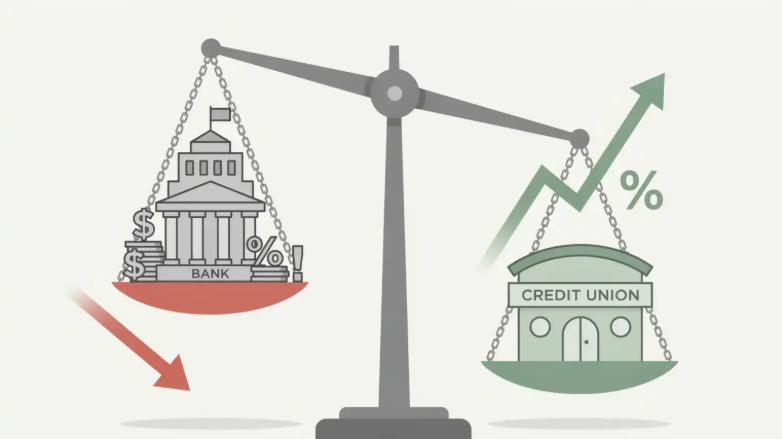
The eligibility step is where most people stall, and it’s the part that has changed the most. Credit unions organize membership around a field of membership: an employer, a school district, a county, a church, a union, or a professional group. Those fields have widened so far over the years that most adults now qualify…

Finance is different for everyone. We all inhabit our own money realities: white people and people of color, Gen Z and baby boomers, high earners and those with lower incomes. Women live in their own financial reality, too. One where the gender pay gap is a force holding back their progress, seeping into every aspect…

Debt settlement companies technically aren’t allowed to charge fees until after lowering a consumer’s debt. But a loophole in the Telemarketing Sales Rule — and a mish-mash of federal and state laws — allows predatory firms the opportunity for exploitation. A growing corner of the $23 billion debt relief industry has used a workaround regulators have dubbed…

Key takeaways You’ve made it to the register, ready to complete your purchase. You present your credit card and wait, only to have the cashier deliver the dreaded message: Your credit card has been declined. It’s a common experience and may be caused by any number of reasons. But when it happens to you, it…

Current credit card interest rates Weekly national averages Variable 07/08/2026 19.57% 07/01/2026 19.57% 06/24/2026 19.57% 06/17/2026 19.56% 06/10/2026 19.56% 06/03/2026 19.57% 05/27/2026 19.57% 05/20/2026 19.57% 05/13/2026 19.57% 05/06/2026 19.57% 04/29/2026 19.57% 04/22/2026 19.57% 04/15/2026 19.57% 04/08/2026 19.58% 04/01/2026 19.58% 03/25/2026 19.58% 03/18/2026 19.58% 03/11/2026 19.58% 03/04/2026 19.58% 02/25/2026 19.59% How are credit card rates set?…
Looking for the best starter credit card to begin your credit journey is a big decision. But don’t worry, there are plenty of good choices on the market to choose from. You’ll want to pick a card that helps you build your credit while allowing you to learn the ropes of how to make good credit…

When borrowing money, one of the most important financial decisions you will make is choosing between a fixed interest rate and a variable interest rate. Whether you are applying for a mortgage, personal loan, student loan, business loan, or credit product, the type of interest rate attached to your debt can significantly affect your monthly…
FAQ’s
The best approach depends on your financial situation. Common strategies include the debt snowball method, which focuses on paying off smaller balances first, and the debt avalanche method, which prioritizes higher-interest debts. Creating a realistic repayment plan and making consistent payments can help reduce debt faster.
You can improve your credit score by paying bills on time, keeping credit card balances low, reducing outstanding debt, avoiding unnecessary credit applications, and regularly checking your credit reports for errors.
Many financial experts recommend balancing both goals. Building an emergency fund while making regular debt payments can help protect you from unexpected expenses while reducing financial stress.
Credit card interest is typically calculated based on your outstanding balance and annual percentage rate (APR). Paying your balance in full each month can help you avoid interest charges on most purchases.
Before applying for a loan, consider the interest rate, repayment terms, fees, monthly payments, and whether the loan fits your overall financial goals and budget.
Start by tracking your income and expenses, identifying essential and non-essential spending, setting financial goals, and reviewing your budget regularly to make adjustments.
Our guides provide helpful information about credit cards, loans, debt management, budgeting, and personal finance topics to help you make more informed financial decisions.